Travel guide, from the UK
Iceland
Iceland sits on the Mid-Atlantic Ridge, where the land is slowly pulling apart, and you can see the results everywhere: geysers, lava fields, glaciers and hot springs. Reykjavík, the world's northernmost capital, makes a natural base, and both the Golden Circle and the South Coast can be done as day trips. Geothermal heat warms most homes and fills the public pools, and Iceland's pool culture is now on UNESCO's list of intangible heritage.
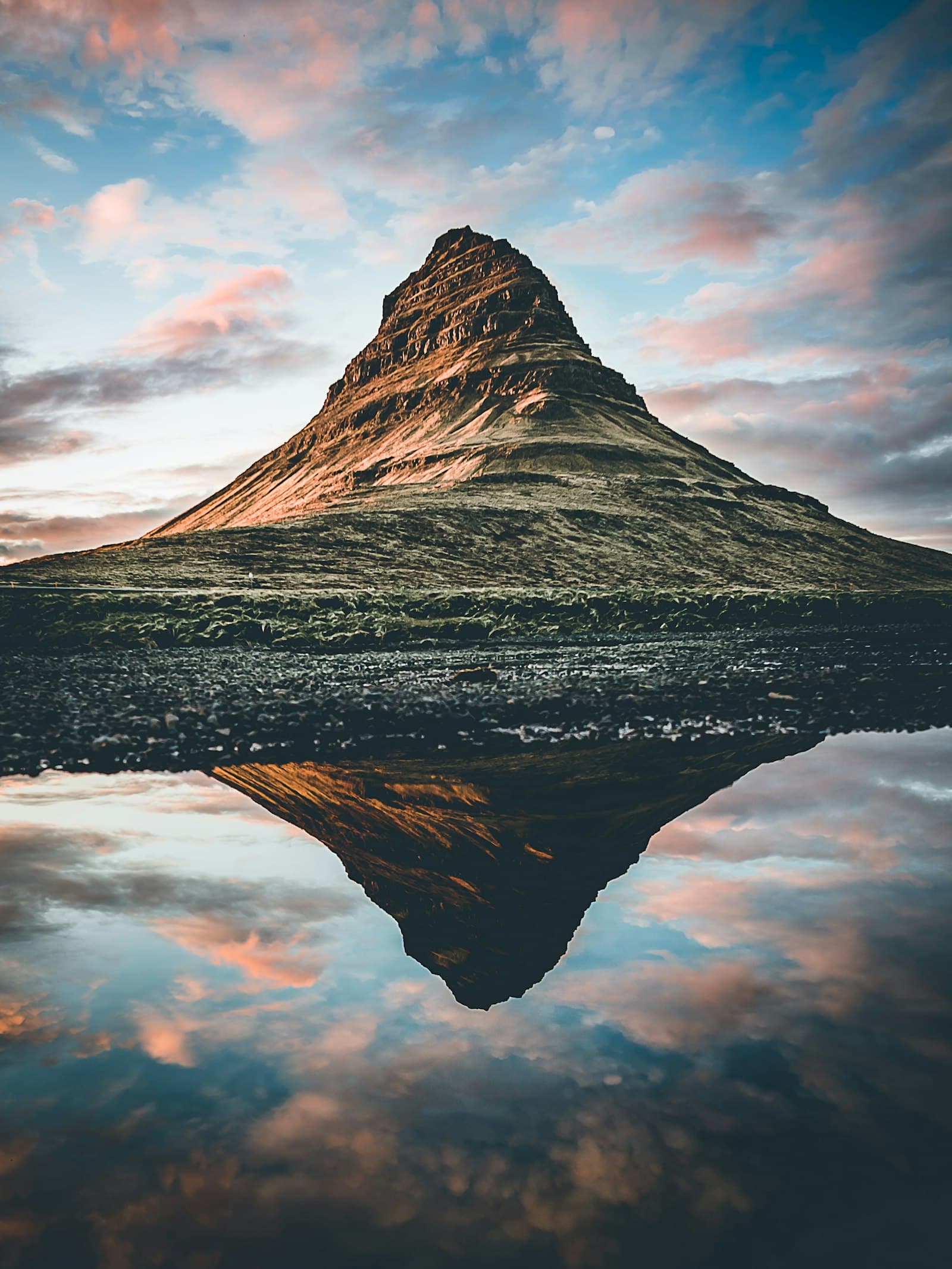
Photo: Rolands Varsbergs, Unsplash License
- When to go
- It depends on what you want to see. For the Northern Lights, come between September and April, when the nights are dark. You also need clear skies, and sightings are never guaranteed, so allow several nights. In December and January, Reykjavík gets only 4 to 5 hours of daylight. For the midnight sun, come from mid-May to mid-July, when it barely gets dark. Summer is the busiest season, so book rooms, cars and tours well ahead. September and March offer a good mix of dark nights and longer days.
- Getting there from London
- Direct flights to Keflavík take about 3 hours 10 minutes. Icelandair and British Airways fly from Heathrow all year, Icelandair flies from Gatwick and easyJet from Luton, and in winter easyJet and TUI add flights from Gatwick. From the airport, the Flybus takes about 45 minutes to Reykjavík.
What to do in Iceland
- 1The Golden CircleThis loop of about 250 km from Reykjavík has three famous stops. Iceland's parliament first met at Þingvellir National Park in 930. The Strokkur geyser erupts every 8 to 10 minutes, and the Gullfoss waterfall drops into a canyon. You do not need a 4x4 for the route.
- 2The South CoastWalk behind the Seljalandsfoss waterfall when the path is open, and climb the trail beside Skógafoss. At Reynisfjara, the black-sand beach, check the warning lights and keep well back from the water: sneaker waves can sweep adults away in seconds.
- 3The Northern LightsFrom September to April, join a tour that drives away from the city lights. The best viewing is usually between 9pm and 2am, and many operators let you rebook free if the sky stays cloudy. The Icelandic Met Office publishes an aurora forecast with a cloud map.
- 4Geothermal pools and lagoonsThe capital area has 18 public pools heated by geothermal water. Everyone showers without swimwear before getting in. If you plan to visit the Blue Lagoon, check that it is open, as volcanic activity on the Reykjanes peninsula can close it at short notice.
- 5ReykjavíkSee the city from the tower of Hallgrímskirkja, then walk down to Harpa, the glass concert hall by the harbour, which opened in 2011. The Old Harbour has the Maritime Museum, Whales of Iceland and boat trips.
- 6Whale watchingTrips leave the Old Harbour and last about 2.5 to 3.5 hours. Minke and humpback whales are the most common sightings, and the peak season runs from April to October. Puffins can be seen from May to August.
Getting around
You get around Iceland by road. The Flybus meets every arrival at Keflavík airport, about 50 km from Reykjavík, and takes about 45 minutes into the city; Strætó bus 55 also runs there every day. Guided bus tours are an affordable way to see the Golden Circle and the South Coast. If you hire a car, the Ring Road (Route 1) circles the country in 1,322 km. Keep your headlights on at all times, and check road conditions at umferdin.is and safetravel.is before every winter drive. The highland F-roads are usually closed from mid-September until June or July.
Living in the UK on a non-UK passport? You'll need a visa for Iceland.
Iceland visa from the UK →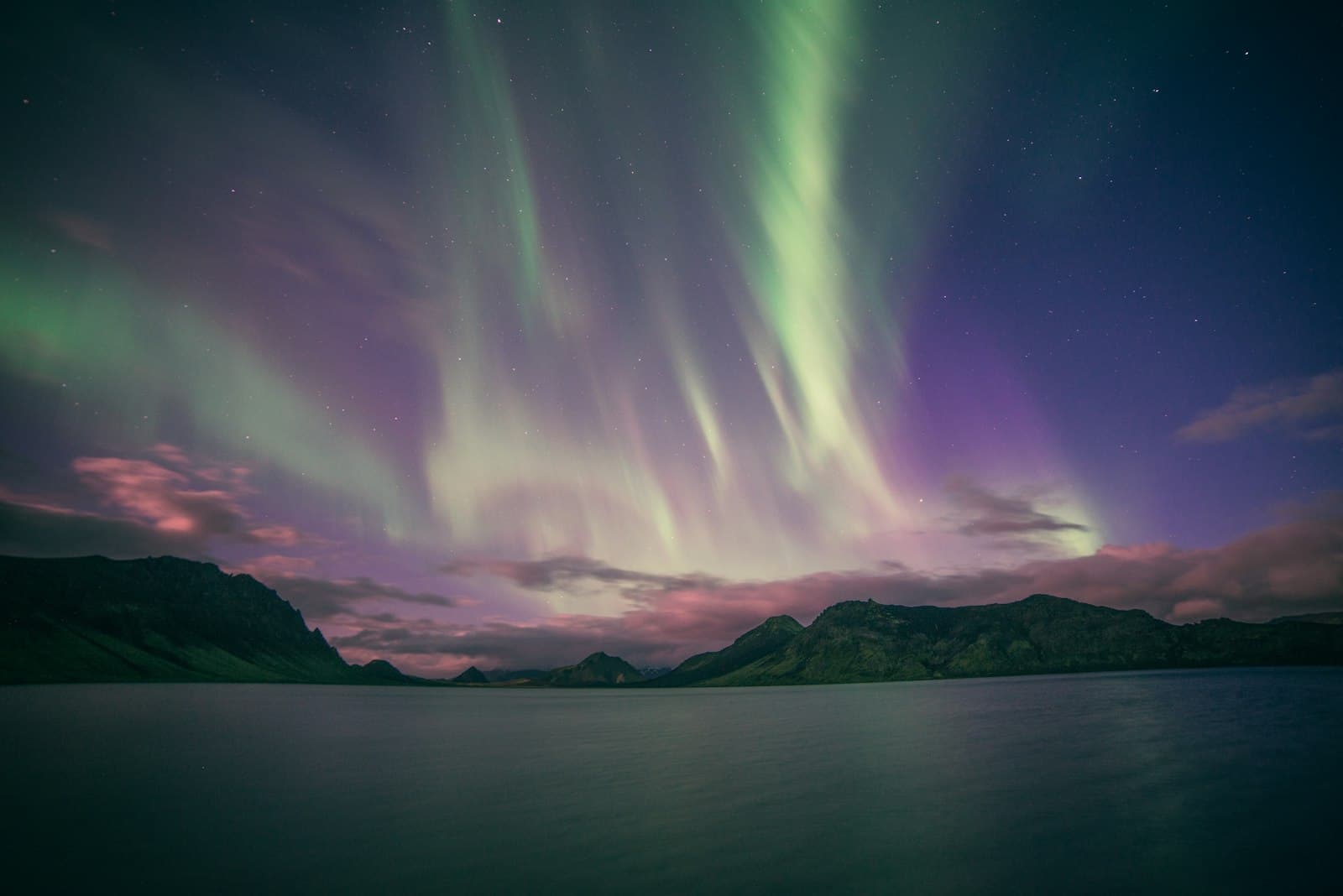
Where these facts come from
Fees and rules are checked against official and visa-centre pages. Rules change: we confirm everything again before you pay.
- Visit Iceland: Iceland in numbersChecked 9 October 2026
- Visit Iceland: Volcanoes, a fact of lifeChecked 9 October 2026
- Visit Reykjavík: Icelandic swimming culture receives UNESCO recognitionChecked 9 October 2026
- Visit Iceland: The Northern LightsChecked 9 October 2026
- Visit Reykjavík: Northern Lights trips from ReykjavíkChecked 9 October 2026
- Visit Reykjavík: Weather by monthChecked 9 October 2026
- Visit Iceland: How to celebrate the midnight sunChecked 9 October 2026
- Visit Iceland: Visiting Iceland in the summerChecked 9 October 2026
- Visit Iceland: What is the Golden Circle?Checked 9 October 2026
- Visit Iceland: The South CoastChecked 9 October 2026
- Visit South Iceland: SeljalandsfossChecked 9 October 2026
- Visit South Iceland: SkógafossChecked 9 October 2026
- Safetravel: Black beach safetyChecked 9 October 2026
- Icelandic Met Office: Aurora forecastChecked 9 October 2026
- Icelandic Met Office: Latest news on the Reykjanes peninsulaChecked 9 October 2026
- Safetravel: Eruption in ReykjanesChecked 9 October 2026
- Visit Reykjavík: HallgrímskirkjaChecked 9 October 2026
- Visit Reykjavík: Harpa concert hallChecked 9 October 2026
- Visit Reykjavík: Old Harbour and GrandiChecked 9 October 2026
- Visit Reykjavík: Whale watchingChecked 9 October 2026
- Visit Iceland: Getting aroundChecked 9 October 2026
- Keflavík Airport: Getting to and from the airportChecked 9 October 2026
- Flybus: Airport transfersChecked 9 October 2026
- Strætó: Bus to and from Keflavík AirportChecked 9 October 2026
- Visit Iceland: The Ring RoadChecked 9 October 2026
- Safetravel: How to drive in IcelandChecked 9 October 2026
- Safetravel: Highland drivingChecked 9 October 2026
- Icelandic Road Administration: Road conditionsChecked 9 October 2026
- Keflavík Airport: Flights to London HeathrowChecked 9 October 2026
- Keflavík Airport: Flights to London GatwickChecked 9 October 2026
- Keflavík Airport: Flights to London LutonChecked 9 October 2026
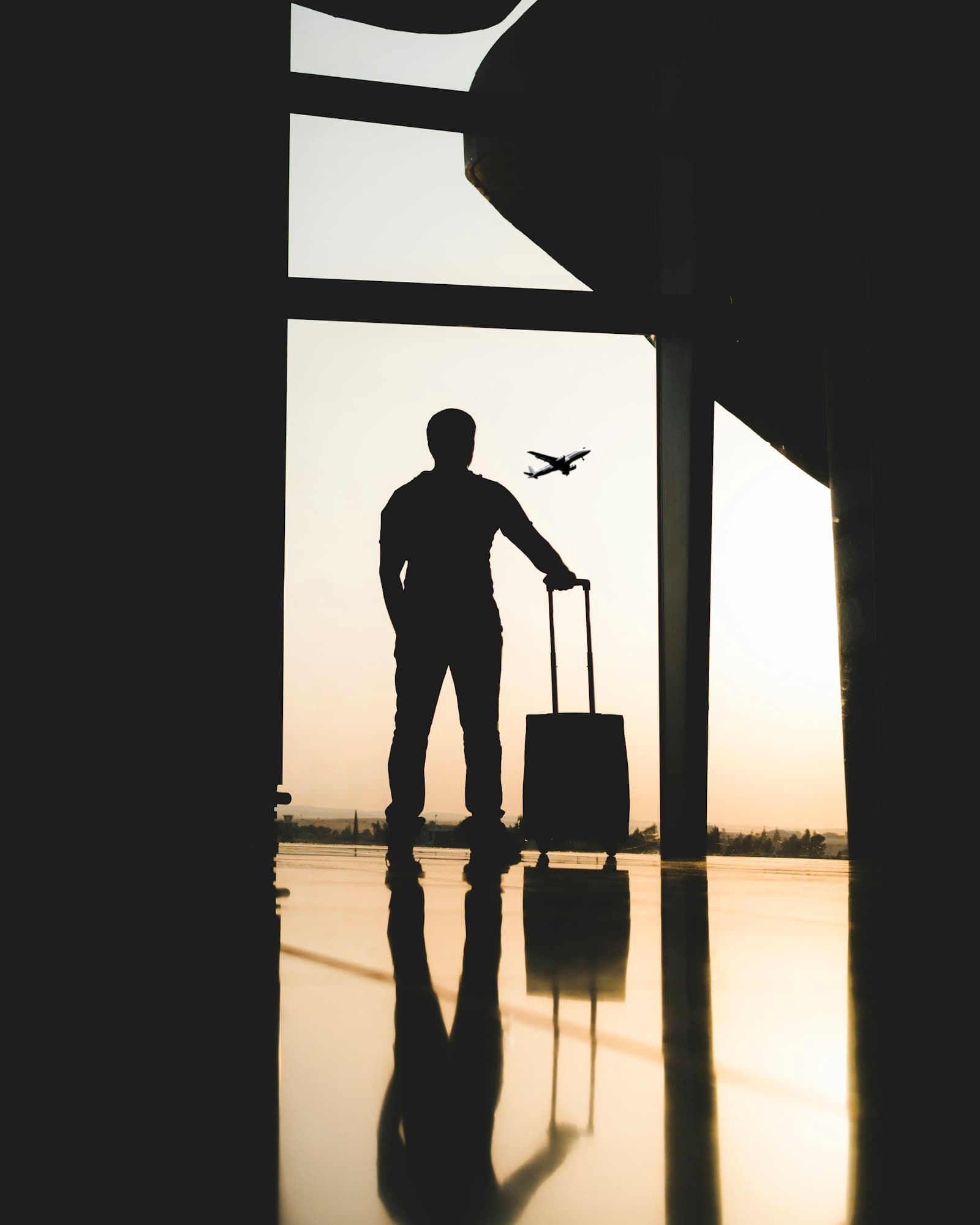
Iceland is closer than it looks.
Visa, flights, hotel and a plan for every day, from one consultant.