Travel guide, from the UK
Spain
Spain has 19 regions, and each one feels different. Madrid has the Prado, Barcelona has Gaudí's buildings, and Andalusia has the Alhambra in Granada, the Real Alcázar in Seville and the Mosque-Cathedral of Córdoba. There are islands too: the Balearics in the Mediterranean and the eight Canary Islands in the Atlantic. With 50 UNESCO World Heritage properties and fast AVE trains between the main cities, Spain suits a city break or a longer tour.
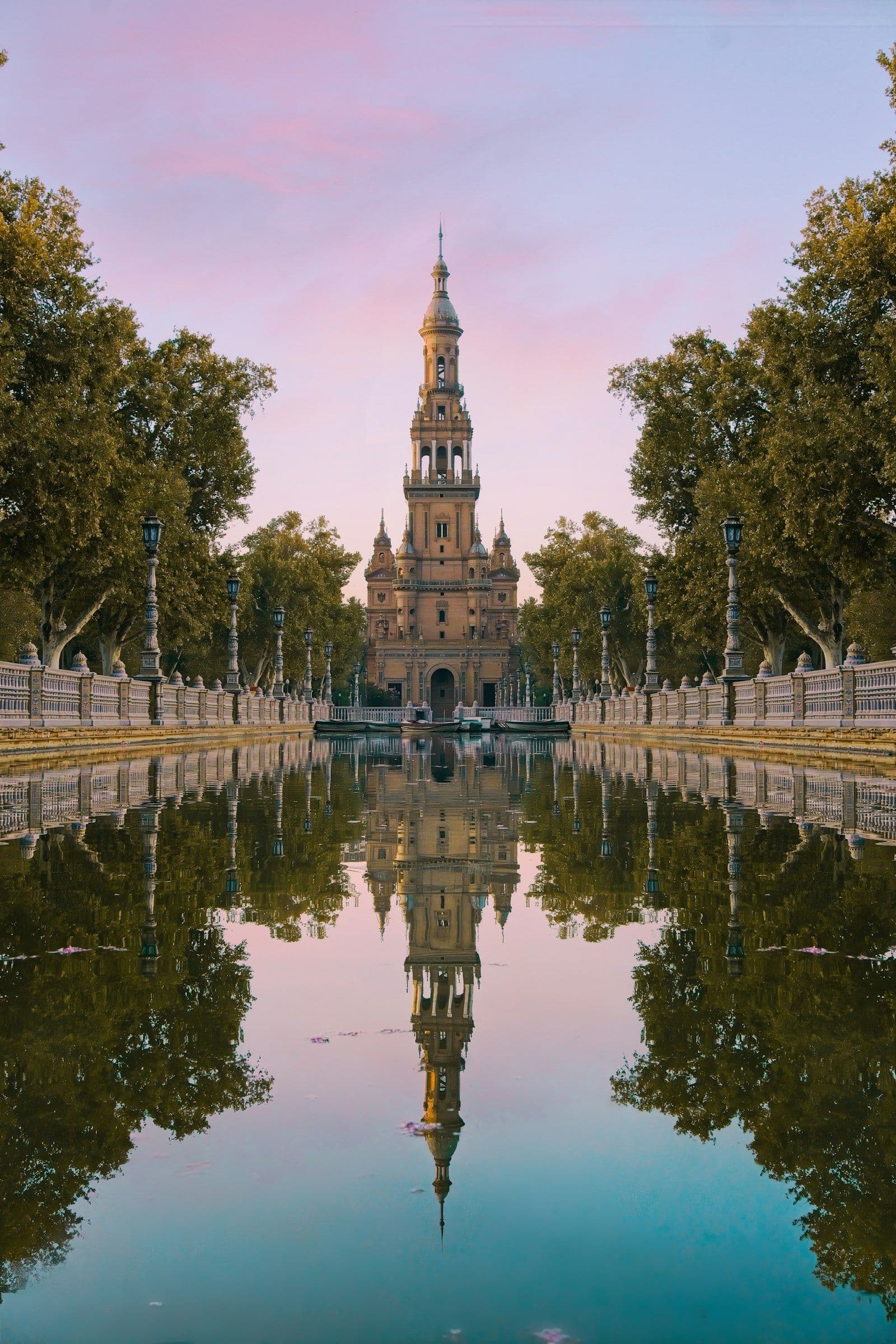
Photo: Arthur Hinton, Unsplash License
- When to go
- Spring, from March to June, is many people's favourite time, and autumn stays sunny from Madrid southwards. Summer days usually pass 30°C, and inland and in the south the nights can stay above 20°C, so check for heat warnings and wildfire advice. The north is milder and wetter. In winter, the Canary Islands need only a light jacket. Big events include Las Fallas in Valencia, which peaks from 15 to 19 March, Holy Week from 21 to 28 March 2027, Seville's April Fair and San Fermín in Pamplona in July.
- Getting there from London
- Direct flights to Madrid take about 2 hours 30 to 2 hours 45 minutes, from Heathrow, Gatwick, London City, Luton and Stansted. Barcelona is about 2 hours 10 minutes, with flights from the same airports and from Southend. Málaga is about 2 hours 50 minutes away, Seville about 2 hours 40, Valencia about 2 hours 20 and Palma about 2 hours 25. All of them have direct flights from several London airports.
What to do in Spain
- 1The Alhambra, GranadaThe Nasrid Palaces let in a set number of visitors every half hour, strictly at the time printed on your ticket. Tickets carry your name, so bring ID, and the date and time cannot be changed. Allow about three hours for the whole site.
- 2Sagrada Família, BarcelonaGaudí's basilica sells tickets online only, so book before you travel. Its central Tower of Jesus Christ is 172.5 metres tall, and 2026 marks 100 years since Gaudí's death.
- 3The Prado, MadridSee Velázquez's Las Meninas, Goya's Black Paintings and Bosch's The Garden of Earthly Delights. The Paseo del Prado and the Retiro park beside it became a UNESCO World Heritage Site in 2021.
- 4The Real Alcázar, SevilleThis royal palace shares a UNESCO World Heritage listing with Seville Cathedral and the Archivo de Indias. Book online. It opens from 9:30 to 17:00 between October and March, and until 19:00 from April to September.
- 5Toledo and CórdobaBoth are easy trips by high-speed train. Toledo, a UNESCO World Heritage city, is about 30 minutes from Madrid. Córdoba, home of the Mosque-Cathedral, is a stop on the Madrid to Seville line, and its courtyards festival is held in May.
- 6Mount Teide, TenerifeTeide is a volcano 3,718 metres high, in a national park that is a UNESCO World Heritage Site. A cable car climbs the mountain, and the path to the summit needs a permit booked in advance.
Getting around
Fast trains are the easy way between the big cities. Renfe's AVE links Madrid with Barcelona and with Seville in about 2 hours 30 minutes, and with Valencia in under 2 hours. Renfe's low-cost Avlo and the private operators Ouigo and Iryo run on some of the same lines. Madrid has 15 metro lines and a 24-hour airport express bus, and Barcelona's metro runs until 2am on Friday and Saturday nights. ALSA coaches cover routes across the country. For the Balearic Islands, flights from Barcelona take about 50 minutes, or you can go by ferry. If you hire a car, note that central Madrid is limited to zero-emission vehicles and residents.
Living in the UK on a non-UK passport? You'll need a visa for Spain.
Spain visa from the UK →Where these facts come from
Fees and rules are checked against official and visa-centre pages. Rules change: we confirm everything again before you pay.
- Spain.info: Main destinations in SpainChecked 9 October 2026
- Spain.info: Spanish tourismChecked 9 October 2026
- Spain.info: Canary IslandsChecked 9 October 2026
- UNESCO World Heritage Centre: SpainChecked 9 October 2026
- Spain.info: The climate in SpainChecked 9 October 2026
- GOV.UK: Spain travel advice, safety and securityChecked 9 October 2026
- Spain.info: 12 months, 12 plansChecked 9 October 2026
- Spain.info: Fallas of San JoséChecked 9 October 2026
- Spain.info: Easter Week in SevilleChecked 9 October 2026
- Spain.info: April FairChecked 9 October 2026
- Alhambra and Generalife: Opening hours and pricesChecked 9 October 2026
- Alhambra and Generalife: Frequently asked questionsChecked 9 October 2026
- Sagrada Família: Opening hours and how to get thereChecked 9 October 2026
- Sagrada Família: Gaudí 2026Checked 9 October 2026
- esMadrid: Prado MuseumChecked 9 October 2026
- Real Alcázar de SevillaChecked 9 October 2026
- Spain.info: Explore Spain on high-speed trainsChecked 9 October 2026
- Spain.info: Tenerife's volcanic routesChecked 9 October 2026
- Spanish National Parks: Teide Peak access permitChecked 9 October 2026
- Spain.info: Getting around SpainChecked 9 October 2026
- Spain.info: Air connections in SpainChecked 9 October 2026
- Spain.info: Spain by boatChecked 9 October 2026
- esMadrid: Getting around MadridChecked 9 October 2026
- This is Barcelona: Getting around the cityChecked 9 October 2026
- ALSA: Coach travel in SpainChecked 9 October 2026
- Spain.info: Travelling around Spain by roadChecked 9 October 2026
- Aena: Adolfo Suárez Madrid-Barajas airport destinationsChecked 9 October 2026
- Aena: Valencia airport destinationsChecked 9 October 2026
- London Luton Airport: 2-hour flightsChecked 9 October 2026
- London Gatwick: DestinationsChecked 9 October 2026
- London Southend Airport: DestinationsChecked 9 October 2026

Spain is closer than it looks.
Visa, flights, hotel and a plan for every day, from one consultant.